Category: Bookkeeping

  • The Florida Bar’s Practice Resource Center

    law firm bookkeeping solutions

    By treating these expenses as How Bookkeeping for Law Firms Strengthens Financial Health reimbursable costs and linking them to the appropriate matters, firms maintain both transparency and profitability. Your potential new hire should have experience working with law firms, managing IOLTA accounts, and navigating trust accounting requirements. Law firm accounting is a complex financial responsibility that often consumes many non-billable hours for attorneys and support staff. In fact, the 8amTM MyCase 2024 Legal Industry Report found that more than one in 10 lawyers and legal professionals cite law firm accounting as the most challenging function their firm faces.

    Keep Strict Records

    Before diving into the minutia of law firm bookkeeping, there https://canvomagazine.com/how-bookkeeping-for-law-firms-strengthens-financial-health/ are a few organizational steps to ensure your firm is compliant. Capture near-instant insights in even the most complex ediscovery data with powerful analytics and machine learning tools, made accessible for all legal professionals. Forrester Consulting conducted a Total Economic Impact™ study of Lexis+ AI for large law firms, commissioned by LexisNexis in May 2025.

    • In legal accounting, it’s crucial to correctly distinguish between income and revenue.
    • If you’re trying to handle bookkeeping on your own in addition to putting in all those billable hours, it’s easy to overlook workflow steps or make mistakes.
    • Get the update on business news, tax deadlines, and new insights to stay on top of your taxes.
    • Let’s discuss how our tailored bookkeeping solutions can support your legal practice.
    • Although many standard accounting principles apply to law firms, legal professionals face additional responsibilities that require more specialized accounting procedures.

    Hourly Law Firms

    By implementing these practices, your firm can streamline its financial processes, reduce errors, proactively solve issues, and maintain a solid ethical standing. Bookkeeping provides a clear cash flow picture, allowing your firm to make informed decisions about resource allocation, investment opportunities, and operational strategies. For instance, a firm regularly reviewing the financial statements can identify trends and address potential financial issues before they escalate, ensuring long-term stability and growth. This may sound feasible with one client, but a DIY system can quickly become difficult to manage once you gain more clients and add more lawyers to your team.

    Law Firm Accounting and Bookkeeping

    law firm bookkeeping solutions

    A flexible system that grows with the firm can prevent the need for costly software transitions down the line. This article explores the 10 best law firm accounting software solutions for 2026 to help legal professionals make informed decisions to support their practice’s financial health. When setting up bank accounts for your law firm, it’s vital to ensure compliance with trust accounting regulations. Establish a separate client trust account to safeguard client funds from law firm operating funds. Understanding the importance of trust accounts and how to avoid common mistakes can help law firms maintain their financial integrity.

    The typical monthly cost for law firm accounting software can range from $39 to $109/month. The higher the monthly fee, generally, the more features the software can support. Law firms can consider using accounting software to improve billing accuracy, gain access to detailed financial reporting, and automate financial processes.

    law firm bookkeeping solutions

    How to Run Your Law Firm like a Business: Financial Tips for Lawyers

    • Moreover, QuickBooks automates the invoicing process for attorneys, which not only saves time but also ensures accuracy.
    • Many lawyers are required to set up Interest on Lawyer Trust (IOLTA) accounts depending on the state they operate in.
    • TimeSolv’s cloud-based system ensures data security with 256-bit encryption and automatic backups.
    • As law firms grow, so do their financial responsibilities—from managing client trust accounts to tracking billable hours and ensuring regulatory compliance.
    • Cash basis accounting records transactions when money changes hands, while accrual accounting records them when they occur.

    We optimize law firm financial management by providing an integrated solution that transforms legal billing from start to finish. Our financially focused workflow connects time tracking, invoicing, payment collection, and accounting—precisely tailored to meet the unique financial needs of law firms. Clio Manage is a software tailored for law firms to handle the business side efficiently.

    Law firm accounting & bookkeeping best practices

    Access talent with 18+ years average PQE, for up to 50% less than top law firms. Smokeball makes it easy, with world-class case management software, intuitive workflows and smart features built for your area of law. Stricter enforcement of Economic Substance Regulations for law firms with certain activities. Increased adoption of AI and automation in legal accounting and compliance processes. Client retainers/settlements in segregated IOLTA-style accounts; three-way monthly reconciliations to ensure complete separation of client funds. Automated accounts receivable removes the manual work of tracking invoices, sending payment reminders to clients, and collecting payments.

    The legal software you need to run a more profitable, organized firm

    With past accountants, I always had lingering doubts about my law firm’s accounting that kept me up at night. With KORE, I trust that all details are accounted for, and I am confident that should an audit occur I will be fully prepared. With a variety of payment options, including online payments, electronic payments, and credit card payments, it’s easier for your clients to pay invoices. Plus, one-step bank reconciliation shows you exactly what’s outstanding and where you stand financially. Double-entry accounting is a method that records each financial transaction with two entries, using debits and credits to ensure accuracy. This approach helps in detecting errors and ensuring the balance sheet remains balanced.

    law firm bookkeeping solutions

    Hiring an accountant who knows how law firms work adds even more power for growth, making sure every dollar counts. To read our guide on lawyer time tracking and understanding law firm revenue, click here. To learn more about managing IOLTA/Trust Accounts for law firms click here.

  • Solvency Ratio vs Liquidity Ratio: Whats the Difference?

    solvency vs liquidity

    It’s more difficult to assess solvency based on cash flow, in part because this requires partially speculative analysis. However, it’s also typically a more accurate way to measure a company’s health. For example, say a company takes on significant debt to fund an expansion. Financial ratios are calculations that compare two figures from a company’s financial statements to assess the financial health of the business. Financial ratios are calculations that compare two or more figures from a company’s financial statements to measure performance and financial health.

    solvency vs liquidity

    Key Differences Between Liquidity vs Solvency

    • These debts can take years to pay off and often involve bigger sums of money.
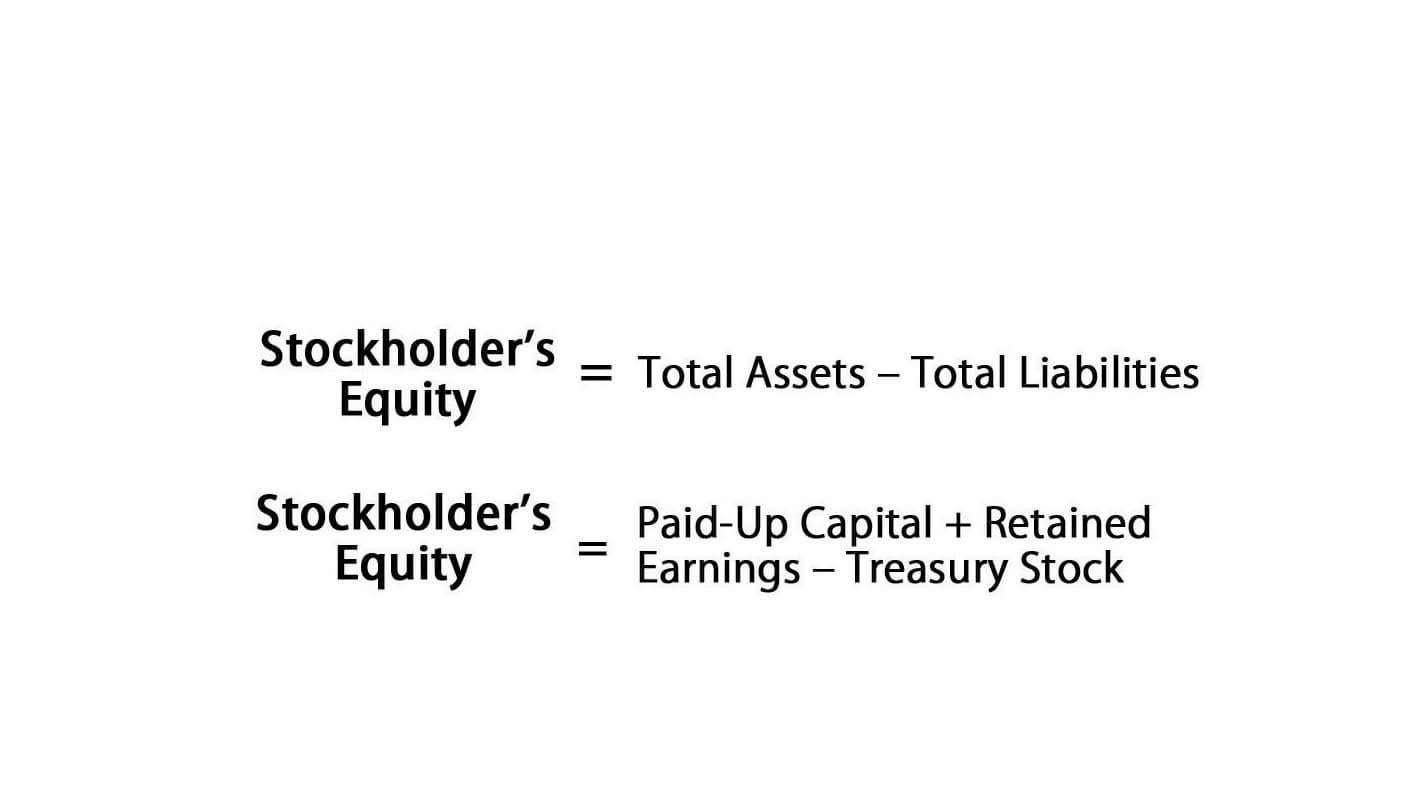
    • It assesses whether a company’s assets are sufficient to cover its liabilities, including both short-term and long-term debts.
    • For businesses, maintaining adequate liquidity ensures that they can meet short-term obligations, such as paying suppliers and covering operational expenses, without disrupting their core operations.
    • Here are a few ideas to help your business stay (or become) solvent and liquid.

    Assets such as cash, marketable securities, and accounts receivable are considered highly liquid, as they can be readily converted into cash. On the other hand, assets like real estate and machinery are less liquid, as their conversion to cash may take time and could potentially result in a loss of value. Another important indicator is the quick ratio, also known as the acid-test ratio. This ratio excludes inventory from current assets, as inventory may not be easily convertible into cash. The quick ratio focuses on the most liquid assets, such as cash, marketable securities, and accounts receivable, providing a more conservative measure of liquidity. Understanding the distinction between liquidity and solvency is crucial for effective financial management.

    solvency vs liquidity

    What Is the Difference Between Solvency and Liquidity?

    solvency vs liquidity

    When the result of this formula is equal to 1,5, it is said that the solvency ratio is optimal, that is, there are no problems with the company because it is solvent. However, if the result is less than 1,5 then there are problems because you will not be able to meet your short-term debts. We define liquidity as the firm’s ability to fulfil its obligations in the short run, normally one year. It is the near-term solvency of the firm, i.e. to pay its current solvency vs liquidity liabilities. The ratios that measure the liquidity of a business are known as liquidity ratios. Financial ratio analysis is used by a company’s external and internal stakeholders to assess financial health.

    • Reducing debt and increasing equity to lower the leverage and interest burden.
    • Liquidity plays a quiet but powerful role in how investments perform in real conditions.
    • It is important to note that these tools and metrics provide valuable insights into a company’s liquidity position.
    • While PoR tells you the money is in the vault, PoL tells you the money is in the market and ready to be used.
    • Liquidity ensures a business meets its immediate obligations, while solvency secures its long-term financial stability.
    • Therefore, it is not enough to look at the solvency and liquidity ratios or metrics at a single point in time, but rather to analyze their trends and patterns over a period of time.
    • While these terms are closely related, they represent distinct aspects of financial health and are used to analyze different facets of an organization’s or individual’s financial standing.

    Mergers & Acquisitions • Capital Raises Strategic Advisory

    The analysis covers liquidity reserves, business volatility, access to additional financing, and reasonable operating buffers. Consider solvency as the ability to fulfill long-term financial obligations, while liquidity looks at short-term commitments. I’ve worked on cases where a company looked solid on paper but couldn’t scrape together enough cash to keep operating. Solvency analysis takes a longer-term perspective, assessing an entity’s financial health and ability to https://urbanclubbd.com/index.php/e-commerce-bookkeeping-guide-accounting-strategies/ meet long-term obligations over an extended period. It examines the entity’s overall financial position and sustainability in the long run.

    solvency vs liquidity

    In this article, we will delve into the definitions of liquidity and solvency, explore their significance in financial analysis, and elucidate the key differences between the two. By the end of this exploration, you will have a comprehensive understanding of these critical financial concepts and their implications for businesses and individuals alike. Assessing liquidity is a crucial aspect of financial analysis, as it helps evaluate a company’s ability to meet its short-term obligations. In this section, we will delve into various tools and metrics used to assess liquidity, providing insights from different perspectives. Despite disposing of its assets, an organization faces the risk of not being able to meet its financial obligations at full value.

    solvency vs liquidity

    You can sell off a building or a plot of land very quickly, but that usually means taking a significant loss on the sale. Brooke Banks is a personal finance writer specializing in credit, debt, and smart money management. She helps readers understand their rights, build better credit, and make confident financial decisions with clear, practical advice. It determines whether https://www.bookstime.com/ a surprise expense becomes a minor inconvenience or a major disruption. People usually feel financial pressure not because they lack assets, but because cash is locked up when timing matters most.

  • Understanding Basic Small Business Accounting: A Comprehensive Guide for Startups

    fundamentals of accounting for small business and startups

    Most accounting software automates entering information from the documents above. For instance, receipt scanners let you take photos of receipts that you upload to your software for easy journal-entry generation. And if you send invoices or pay bills with your software, the numbers should sync automatically with your ledger.

    fundamentals of accounting for small business and startups

    Streamlining your accounting and save time

    For all other small business owners, software is likely the better choice. Next, review the worksheet listing each https://www.theclintoncourier.net/2025/12/19/main-advantages-of-accounting-services-for-startups/ account’s individual debits and credits. This can help you identify discrepancies or errors that need to be addressed before you generate your financial statements. If you are using cash basis accounting, then transactions will be posted to your cash ledger.

    Your monthly, quarterly, and annual bookkeeping tasks

    fundamentals of accounting for small business and startups

    Similar to any other profession, time management is an essential skill to have. Plus, reviews of your financial health need to be completed in a timely way. A profit and loss (P&L) statement summarizes your business’s income accounting services for startups and expenses during a set period — monthly, quarterly, or annually.

    • In this post, we’ll cover six of these basic principles of accounting that every business – and accounting professional – should know.
    • If you lack the resources and expertise to handle your company’s accounting, this can be a problem.
    • This is especially useful when reviewing client profitability, seasonal trends, or planning for estimated taxes.
    • But before you start shopping for an existing business to take over, think about the reasons the current owner is selling.
    • For instance, if a firm has chosen to follow accrual-based accounting, it should apply that method to its balance sheet and financial statements.

    Principle of Prudence

    We combine powerful software with real experts who understand your business. You’ll get accurate books, clean reports, and insights you can actually use without doing it all yourself. Read our full guide on how to set up a small business bookkeeping system.

    • While bookkeeping can often be handled in-house or outsourced at a low cost, accounting requires more expertise and usually involves working with a Certified Public Accountant.
    • If you get money in cash, your accounting software will take money out of your cash account.
    • Preparing financial statements is essential for understanding your business’s financial performance.
    • GAAP accounting principles can help small businesses attract investors, go public, or expand.
    • It shows up in how you price a deal, offer a discount, or decide which clients are worth pursuing.
    • But once your business is big enough that you can’t (or simply don’t want to) wrangle finances by yourself, it’s probably time to get a bookkeeper or CPA on your payroll.

    fundamentals of accounting for small business and startups

    Rather than being limited to behind the scenes, accounting shapes how you and your team evaluate, close, and support deals. When I studied accounting in college, I didn’t realize how useful it would be later on as a solopreneur. It’s helped me price projects more confidently, negotiate with more context, and understand exactly how much a “yes” is worth. Choosing between online and traditional classroom settings depends on your learning preferences and lifestyle needs. As mentioned above, a bachelor’s degree is typically required for an accounting career, so you must invest in your education.

    fundamentals of accounting for small business and startups

    The categories determine a company’s cash flow and ability to raise funds (if you’re at that point). Tracking these regularly is how you stay on top of cash flow, catch issues early, and build financial clarity over time. Don’t leave it open-ended; make sure these are up to date and easy to access.

    • Understanding these documents helps you make decisions like when to hire, invest, or apply for loans.
    • You can do bookkeeping manually or use software like QuickBooks to help you manage and track your startup’s financial documents.
    • In Canada, bookkeeping also includes the management and submission of various sales taxes like GST, HST, and PST.
    • Just solid support, clear reports, and expert insights—so you can focus on growing your business.
    • For anyone making regular sales, receiving payments, or handling recurring expenses, this process helps you catch errors, missed payments, or duplicate charges — before they snowball.
  • Cost of Goods Sold: Debit or Credit? A COGS Overview

    For example, when your company borrows money, you would identify that debt in a Notes Payable account. Namely, within a ledger, each account is intended to contain transactions and balances of a similar type only. This helps prevent reporting errors, detect fraud, and maintain compliance with accounting standards.

    Get accurate contra account records with Invoiced

    This, in turn, can lead to more effective business strategies and potentially improved financial outcomes. As a small business owner, a thorough understanding of your financial processes is paramount. This mechanism ensures that your financial statements provide a precise representation of your business’s financial position. A Perpetual system continuously updates inventory records in real-time, providing an ongoing balance of inventory on hand and the corresponding COGS. The method by which COGS is recorded depends on whether the company uses a Perpetual or a Periodic inventory management system. This rule prevents companies from using LIFO to report lower taxable is cost of goods sold a contra account income while simultaneously reporting higher profits using a different method.

    Plans to suit your business

    A full gross margin and lower COGS result in higher taxable income, while a higher COGS reduces taxable income and tax liability. Additionally, if inventory is returned to suppliers, it could result in a credit entry to decrease COGS. While COGS is typically recorded as a debit entry, there are scenarios where it might appear as a credit entry.

    If you sell a physical product, getting a handle on your COGS is essential for staying in business. These expenses are tied directly to that specific loaf of bread. The cost of the flour, sugar, and eggs that went into a loaf of bread is part of COGS. It covers things like raw materials and the labor needed to make the product, but it leaves out indirect expenses like your marketing budget or office rent. Cost of Goods Sold (or COGS, as you’ll often see it) is one of the most important numbers in your business.

    Therefore, a contra expense account that contains a debit balance must have a negative ending balance. Similarly, if the parent account lists entries as debits, the contra account will appear as a credit. This general structure can be applied across all contra types, so if the parent account has a credit, the contra account will have a debit. Properly documenting these contra accounts in your ledger can sometimes feel counter-intuitive since they operate in an opposite manner from their parent accounts.

    • If your equipment account shows the original purchase price, the accumulated depreciation account shows how much value has been used up over time.
    • Now, let’s dig into the different ways accountants assign a dollar value to that “sold” inventory.
    • Company K’s income statement will report the gross Sales of $100,000 minus the sales returns and allowances of $500 and the resulting net sales of $99,500.
    • Ensure your COGS is recorded as a debit entry because it represents an expense your business faces when generating revenue.
    • Doing it properly keeps your financial statements accurate and compliant with accounting standards.
    • A contra equity account acts as a reduction to the total value of the shareholders’ equity section of the balance sheet.

    Closing entries also set the balances https://hunterleap.com.au/how-pilots-end-up-in-a-death-spiral-popular/ of all temporary accounts (revenues, expenses, dividends) to zero for the next period. Your asset account will normally be in a credit balance because the cost principle means that when you acquire an asset, it’s recorded in your asset account at the cash amount or equivalent. Proper implementation of contra-expense accounts will not only streamline your financial processes but also enhance the accuracy and reliability of your financial reporting. Your newly acquired knowledge of contra expense accounts will enable you to navigate accounting practices with increased confidence and precision. To conclude our discussion on contra-expense accounts, let’s examine how these accounts are reflected in your income statement. Neglecting to utilize contra-expense accounts can lead to an overstatement of expenses, potentially resulting in significant accounting discrepancies.

    It confirms your software records are accurate and gives you the hard number you need for your ending inventory. A lower ending inventory figure directly increases your Cost of Goods Sold for the period. Writing off inventory lowers your ending inventory value. You have to “write it off,” which means formally removing its value from your inventory. But what if your service business does sell some products?

    If the physical count determines the Ending Inventory is worth $60,000, then the COGS expense for the period is $190,000. For instance, if a company has $50,000 in Beginning Inventory and makes $200,000 in Purchases, the COGAS is $250,000. To this figure, the total cost of net purchases made during the period is added, including freight-in charges.

    Impact of COGS on Inventory Management

    It smooths out all the price bumps by calculating a single average cost for every identical item you have in stock. For a business like a gas station, all the gasoline is mixed together in one big underground tank. This just makes sense, especially for businesses dealing with perishable goods where selling older stock first is non-negotiable. It sounds simple, but it gets tricky when the prices you pay for inventory are always changing. A precise count is the only way to ensure your financial statements tell the true story.

    The Allowance for Doubtful Accounts reduces the reported value of Accounts Receivable, but the balance itself is not removed. This structure maintains the integrity of the parent account while reflecting necessary adjustments or reductions. Discount on Bonds Payable acts as a contra-liability, reducing the carrying value of the liability. Cost of Goods Sold (COGS) stands as one of the most significant expense figures for any enterprise engaged in selling tangible products.

    There are several reasons why it is essential to derive a correct cost of goods sold figure. An analysis of produced items reveals that 1/3 were sold and 2/3 retained in inventory. It buys $350,000 of materials from suppliers during the month, which it records in the inventory account. In either case, the accountant needs to reduce ending inventory by the amount of those goods that either were shipped to customers or designated as being customer-owned under a bill and hold arrangement.

    LIFO: The Last-In, First-Out Method

    • This calculation provides the total cost of goods sold during any period you use as a reference.
    • This just makes sense, especially for businesses dealing with perishable goods where selling older stock first is non-negotiable.
    • An increase to a contra revenue account is accomplished with a debit, effectively reducing the overall credit balance of the Gross Sales figure.
    • The application of contra accounts extends across all major financial statement classifications, from assets to equity.
    • The initial discount is recorded as a debit, which is a contra liability, because Liabilities have a credit balance.
    • Gross profit margin is the gross profit divided by total revenue and is the percentage of income retained as profit after accounting for the cost of goods.

    Depending on the accounting setup, Subcontractor/Material Handling (SMH) can also be one of the cost pools. Learn how we can support your business’s financial health and take the guesswork out of your accounting. Under accounting rules (U.S. GAAP), this number must include direct costs like materials and labor but leave out things like marketing or administrative salaries.

    Sales returns, allowances, and discounts appear as separate line items, making net revenue more transparent than if only a final number were reported. For example, accumulated depreciation is listed under equipment, so the balance sheet shows both the purchase price and the depreciation taken to date. This transparency helps investors, auditors, and managers assess financial health more accurately. These withdrawals reduce equity without affecting reported income. Recording this in a treasury stock account maintains transparency about the original stock issuance while clearly showing the reduction.

    It’s directly tied to what’s happening in the real world, and things like inflation, shipping bottlenecks, and trade disputes can send your costs soaring. It’s where you translate all that inventory tracking and cost calculation into a clear, compliant story for the IRS, your investors, and yourself. A pure service business—think a consultant, lawyer, or accountant—doesn’t really have a Cost of Goods Sold because there are no “goods” to sell. The direct cost of all the tables you sold that year was $140,000. So, for that quarter, the direct cost of the specific clothing you sold to customers was $24,000.

    GadgetHub purchases inventory from suppliers and records the cost of goods sold (COGS) as an expense. The purpose of a contra expense account is to reduce the total expenses shown on the income statement by reflecting specific adjustments, recoveries, or reimbursements related to the expense. Businesses must therefore employ stringent internal controls and adhere to specific accounting standards when tracking these costs.

    For example, most asset accounts have debit balances, while their contra accounts—such as accumulated depreciation—carry credit balances. If the balance in this contra account is a debit of $3,000 and the Sales account has the expected credit balance of $400,000, the company’s net sales are $397,000. The application of contra accounts extends across all major financial statement classifications, from assets to equity. Explore the accounting mechanics of contra accounts, detailing how they provide transparency by offsetting primary balances to calculate net totals. An inventory reserve is also a balance sheet account, but since it is a contra asset account, or one that reduces asset value, you credit it to increase it and debit it to reduce it. By reporting contra asset accounts on the balance sheet, users what is a simple tax return of financial statements can learn more about the assets of a company.

    Sorting these costs correctly ensures your financial statements tell the true story of your company’s performance. The initial discount is recorded as a debit, which is a contra liability, because Liabilities have a credit balance. The balance is directly subtracted from Gross Sales on the income statement before the cost of goods sold is factored in. The two common examples of contra revenue accounts are Sales Returns and Allowances and Sales Discounts.

    The purchase discounts account allows businesses to track these savings, providing insights into the financial benefits of efficient accounts payable management. Contra expense accounts, however, function as a checks and balances system for your expenses. By accounting for discounts and other adjustments, GadgetHub can track its actual expenses more effectively and make more informed decisions about its inventory purchases and supplier relationships.

    This number is a major player on your income statement because it gets right to the heart of your business’s profitability. At its core, it represents the direct costs you paid to create or buy the products you sold during a certain time. Since Equity has a normal credit balance, the debit balance in Treasury Stock reduces the overall total equity reported. The cost of acquiring these shares is recorded as a debit in the Treasury Stock account.

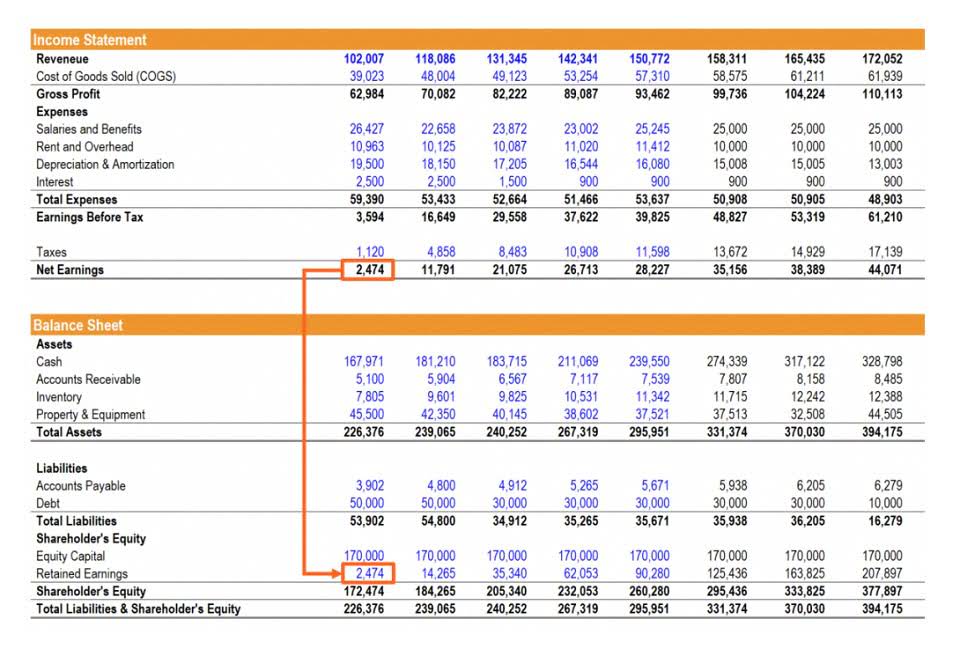
  • How, When And Why Do You Prepare Closing Entries?

    Janet Berry-Johnson is a CPA with 10 years of experience in public accounting and writes about income taxes and small business accounting. Doing so automatically populates the retained earnings account for you, and prevents any further transactions from being recorded in the system for the period that has been closed. Net income is the portion of gross income that’s left over after all expenses have been met. The retained earnings account is reduced by the amount paid out in dividends through a debit and the dividends expense is credited. These accounts must be closed at the end of the accounting year.

    Introduction to Closing the Books

    On January 9, the company received $4,000 from a customer for printing services to be performed. If Printing Plus used some of its supplies immediately on January 30, then why is the full $500 still in the supply account on January 31? Since this is a new company, Printing Plus would more than likely use some of their supplies right away, before the end of the month on January 31. The trial balance for Printing Plus shows Supplies of $500, which were purchased on January 30. This requires companies to organize their information and break it down into shorter periods. The companies must file a Form 10-K for their annual statements.

    To make them zero we want to decrease the balance or do the opposite. Remember how at the beginning of the course we learned that net income is added to equity. Accountants may perform the closing process monthly or annually. We have completed the first two columns and now we have the final column which represents the closing (or archive) process.

    What are The Main Differences Between Adjusting Entries and Closing Entries?

    • In accrual accounting, the importance of adjusting entries is key for financial statements.
    • Since the income summary account is only a transitional account, it is also acceptable to close directly to the retained earnings account and bypass the income summary account entirely.
    • By resetting temporary accounts and retaining the balances of permanent ones, businesses ensure that each period’s books begin with a clean slate while tracking the progress of cumulative deductions over time.
    • Adjusting entries move that portion from the asset account to the expense account as time passes.
    • A net loss would decrease owner’s capital, so we would do the opposite in this journal entry by debiting the capital account and crediting Income Summary.

    Adjusting entries are updates made in accounting records. When we need to match our books and financial reports perfectly, knowing how to adjust journal entries is key. Adjusting entries are more than just steps in the accounting process. We are using the same posting accounts as we did for the unadjusted trial balance just adding on. Remember, you do not change your journal entries for posting — if you debit in an entry you debit when you post. The next step is to post the adjusting journal entries.

    Steps of the Adjusting Process

    To reduce manual effort and avoid mistakes, 66% of accounting teams now prefer automating these recurring expenses. Over time, as you meet your performance obligations, you move the appropriate amount from the balance sheet to revenue on your income statement. You record it to make sure your financial statements reflect the work you completed within the reporting period, even if the invoice goes out later. The type of adjusting entry you use depends on the nature of the transaction and the accounting standards you follow. Without adjusting entries, your reports would only reflect cash movement and not the financial reality behind it. They ensure your financial statements accurately show your business activity for the period.

    • We want to remove this credit balance by debiting income summary.
    • Adjusting entries make sure financial statements show real financial activity for a period.
    • They provide crystal-clear financial insight, akin to high-definition glasses for your ledger, allowing you to detect trends, issues, and opportunities with unparalleled clarity.
    • Ensuring consistency with closing entries isn’t just about good technique; it’s about setting a steadfast standard that runs through the entire fabric of financial reporting.

    9 The Adjustment Process

    To keep your company’s financial reports spot-on, it’s crucial to understand how adjusting and closing entries differ in role and timing. Accurate closing entries ensure that there’s no question about the legitimacy of your financial statements. These sophisticated tools use advanced algorithms to categorize income and expenses, match transactions, and prepare the closing entries with precision – all with just a click and at the speed of electrons. By resetting temporary accounts and retaining the balances of permanent ones, businesses ensure that each period’s books begin with a clean slate while tracking the progress of cumulative deductions over time. This highlights the inherent stability of equity account entries, which remain unaffected by closing entries and ensure the equity accounts reflect the long-term financial health of the business.

    Key Types of Adjusting Entries: Accruals, Deferrals, and Estimates

    After the financial statements are finalized and you are 100 percent sure that all the adjustments are posted and everything is in balance, you create and post the closing entries. This prepares the books for the next accounting period to start.As a result, the temporary accounts will begin the following accounting year with zero balances. It contains all the company’s revenues and expenses for the current accounting time period. Close the income statement accounts with debit balances to the income summary account. Closing entries are an important component of the accounting cycle in which balances from temporary accounts are transferred to permanent accounts. The use of closing entries resets the temporary accounts to begin accumulating new transactions in the next period.

    How Does the Matching Principle Relate to Adjusting Entries?

    Adjusting entries correct past transactions and align temporary accounts with accrual-based accounting. This moves their balances to the retained earnings account for year-end accounting. They change the income statement and balance sheet accounts.

    Recall the trial balance from Analyzing and Recording Transactions for the example company, Printing Plus. As you’ve learned, the SEC is an independent agency of the federal government that provides oversight of public companies to maintain fair representation of company financial activities for investors to make informed decisions. A fiscal year is a twelve-month reporting cycle that can begin in any month and records financial data for that consecutive twelve-month period. If a company uses a calendar year, it is reporting financial data from January 1 to December 31 of a specific year.

    Step 4: Make Adjusting Journal Entries

    This step makes sure temporary accounts are ready for the next period. The accounting cycle ends with a post-closing trial balance. They ensure revenues and expenses match the company’s activities. Adjusting entries are key for accurate financial statements. Adjusting entries helps us understand how to record revenues and expenses correctly.

    AccountingTools

    Any account listed on the balance sheet is a permanent account, barring paid dividends. A hundred dollars in revenue this year doesn’t count as $100 in revenue for next year even if the company retained the funds for use in the next 12 months. You made it through the complete accounting cycle. Div Amt means we will use the DIVIDEND amount and not the balance in retained earnings.

    The matching principle in accounting is foundational for adjusting entries. The difference between accrual and cash accounting highlights the need for adjusting entries. In accrual accounting, accuracy is everything, and adjusting entries are vital. It helps grasp how adjusting entries give a clear view of a company’s financial health. Adjusting entries align financial activity with the right accounting period.

    Deferred revenue is money you’ve received for goods or services you haven’t delivered yet. These costs build up over time, even if no formal invoice is received by the period’s end. If your team finishes a contractor project in June but the invoice comes in July, the expense will still be in June. This helps your team catch and record earned revenue through accurate adjustments before close. Ramp gives you real-time visibility into unbilled transactions by syncing with your systems and surfacing revenue that hasn’t been matched to payments.

    Failing to adjust for unearned revenue inflates your income and misstates your financial position. You move the appropriate portion from the liability account to your income statement as you deliver how when and why do you prepare closing entries the service. Bad debt expense accounts for the money you are unlikely to collect from customers.

    Anytime we complete journal entries, we always need to post to the same ledger cards or T-accounts we have been using all along. The credit to income summary should equal the total revenue from the income statement. We see from the adjusted trial balance that our revenue accounts have a credit balance. Only revenue, expense, and dividend accounts are closed—not asset, liability, Common Stock, or Retained Earnings accounts.

  • External Audit vs Internal Audit: Whats the Difference? Hilbert College Global Campus

    external audits are used for

    In the report, they declared net losses of $6.3 million and EBITDA of $19.5 million.

    • External audits offer a more objective view of how the business is supposed to run, making it less likely for inefficiencies, errors, and fraud to go undiscovered.
    • But that close, outside look at a company’s finances gives its stakeholders a true picture of just how a business is doing with its money.
    • The CPA designation means that they’ve passed the rigorous Uniform CPA Examination.
    • They work to ensure that these statements comply with generally accepted accounting principles (GAAP) or International Financial Reporting Standards (IFRS) and provide a true and fair view of the company’s financial position.
    • External auditors are responsible for giving unbiased, independent evaluations of a company’s financial position and performance and identifying potential risks and anomalies.

    Auditor Reporting

    external audits are used for

    Finally, clearly documenting scope limitations in audit reports promotes transparency and manages stakeholder expectations. Learn more about Scope and Purpose Variations can provide additional insights into these concepts. By understanding these nuances, organizations can https://www.corpecolviajesyturismo.com/best-bookkeeping-services-in-san-francisco-ca/ effectively leverage both internal and external audits to strengthen their control environment and achieve their strategic objectives. The key purpose of external auditing is to enhance transparency and accountability regarding financial reporting. These audits assess the financial statements of companies and check for any fraudulent information.

    • Internal auditors assess the effectiveness of internal controls and risk management processes on an ongoing basis to ensure timely identification and remediation of control deficiencies.
    • There should also be a reviewable audit trail on every transaction along with supporting documentation.
    • Understanding external audits allows them to evaluate potential financial risks more effectively.
    • Moreover, the audit might uncover issues requiring additional corrective actions, leading to further disruptions and potentially impacting the company’s operations and financial stability.

    What are the different types of audit?

    In contrast, an internal audit is performed by employees or contracted professionals within the organization to assess internal controls, risk management, and operational efficiency. While external audits serve external stakeholders Bookkeeper360 Review like investors and regulators, internal audits are designed to support management in improving processes and governance. Both internal and external audits are vital for a business’s success, but they serve different functions. Internal audits focus on improving operational efficiency, managing risks, and ensuring compliance with internal policies.

    • Other kinds of external audits, such as an investigation that looks for fraud, may be focused on particular problems with a client’s accounting records.
    • Rather than catching them doing something wrong, an audit can ensure that proper policies, procedures, and safeguards are in place.
    • We currently have 50+ offices across 15 States with much more growth on the horizon.
    • They verify transactions, reconcile accounts, and assess internal controls over financial reporting.
    • This flexible, adaptable approach allows internal audit to provide real-time insights and address emerging risks promptly.

    An Internal Audit vs. External Audit

    We currently have 50+ offices across 15 States with much more growth on the horizon. We fully external audits are used for understand that every employee has different needs, so our unique business model allows for more flexible work arrangements than most firms can offer. Enjoy a professional and dynamic work environment while making work/life balance a priority. During the audit, ABC LLP identifies discrepancies in revenue recognition practices.

    external audits are used for

    What Are The Differences Between External and Internal Audits?

    Internal audit reports are for management and the organization’s board of directors, and are generally not shared outside of the organization. An exception to this may include vendor audits and joint venture audits, for example. Internal audits seek to continuously improve the organization’s operations and mitigate risk. Internal audits help management make informed decisions by identifying potential issues before they escalate, enabling a proactive approach to risk management. In some cases, an organization may outsource its internal audit function and, when this occurs, it should function no differently than if carried out by employees. A thorough external audit is an outside examination of a company’s financial records and workings.

  • Declining Balance Method of Depreciation Examples

    double declining balance method

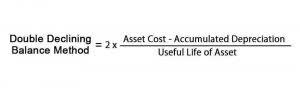
    The double-declining balance (DDB) method is a widely used asset depreciation method. It’s a form of accelerated depreciation that allows businesses to allocate a higher portion of an asset’s cost as an expense in the earlier years of its useful life. The double declining balance method is a method used to depreciate the value of an asset over time. It is a form of accelerated depreciation, which means that the asset depreciates at a faster rate than it would under a straight-line depreciation method. Common mistakes in applying this formula include overlooking the correct book value, underestimating or overestimating the asset’s useful life, and failing to account for salvage value limits.

    • One way of accelerating the depreciation expense is the double decline depreciation method.
    • Since public companies are incentivized to increase shareholder value (and thus, their share price), it is often in their best interests to recognize depreciation more gradually using the straight-line method.
    • The allocation of an asset’s cost over its useful life represents the financial process known as depreciation.
    • Download the free Excel double declining balance template to play with the numbers and calculate double declining balance depreciation expense on your own!
    • Accelerating depreciation reduces your taxable income sooner, freeing up funds to reinvest in growth.
    • It is important to note that we apply the depreciation rate on the full cost rather than the depreciable cost (cost minus salvage value).
    • The total expense over the life of the asset will be the same under both approaches.

    Cash Application Management

    Depreciation for an asset with a five-year expected life would span over six tax years, with a portion of a year’s deduction in year one and six. Since it is so widely used, and simple to understand, I go into great detail and provide examples in that tutorial. Each year, the company deducts $10,000, providing consistent expense reporting and making it easy to forecast future profits. However, there are specific rules based on asset type, so it’s important to verify if your asset qualifies. But switching methods midstream requires proper documentation and may not be allowed for tax purposes without IRS approval. You expect to use it for 5 years, and it has a salvage value of $1,000 at the end of its useful life.

    Basic Depreciation Rate Calculation

    Ultimately, the double declining balance method is a strategic tool for improving short-term liquidity, giving you more room to maneuver when you need it most. Instead, you would stop depreciating the asset partially through year five, once you had taken $296 in depreciation and reduced the asset’s book value to $1,000. You can calculate an asset’s straight-line depreciation rate by dividing one by its useful income statement life. For an asset with a five-year useful life, the straight-line depreciation rate is one divided by five, which equals 20%. While that’s simple and predictable, it doesn’t always reflect how assets lose value in the real world. Many types of property—like vehicles, computers and manufacturing equipment—decline faster in the early years.

    Subscribe to Taxfyle

    This method is another form of accelerated depreciation but less aggressive than DDB. It’s based on a formula that depreciates more in the early years and less as double declining balance method time goes on, though not as steeply as DDB does. It allows you to write off more of the asset’s cost in the early years of its life and less later on. This can be particularly useful for assets that lose their value quickly—think of tech gadgets that might be outdated in just a few years.

    double declining balance method

    Why would a company use double-declining depreciation on its financial statements?

    If the residual value is high enough, it is possible that the depreciation expense during the second-to-last year could be reduced, and there would be no depreciation in the final year. Exhibit 3 presents a depreciation schedule for the delivery truck using DDB depreciation. An asset that has reached the end of its estimated useful life; no more depreciation is recorded for the asset. Meru Accounting has Bookkeeping for Veterinarians expertise in bookkeeping and can help you use the double declining method the right way so your business runs smoothly.

    In this comprehensive guide, we will explore the Double Declining Balance Method, its formula, examples, applications, and its comparison with other depreciation methods. The DDB method works best for assets that produce more revenue in their early years and less in their later years. Under the DDB method, higher depreciation expense is taken in the early years to match it with the higher revenue the asset generated. Notice that as an asset depreciates, its accumulated depreciation increases and its book value decreases. Once an asset has been fully depreciated, its final book value should equal its residual value, $6,000 in this case.

    double declining balance method

    HighRadius offers a cloud-based Record to Report Software that helps accounting professionals streamline and automate the financial close process for businesses. We have helped accounting teams from around the globe with month-end closing, reconciliations, journal entry management, intercompany accounting, and financial reporting. Leveraging AI in accounting allows businesses to focus on strategic decision-making, reduce errors, and enhance overall financial management. By integrating AI, companies can ensure precise and efficient handling of their asset depreciation, ultimately improving their financial operations. The DDB method accelerates depreciation, allowing businesses to write off the cost of an asset more quickly in the early years, which can be incredibly beneficial for tax purposes and financial planning.

    double declining balance method

    double declining balance method

    Accountingo.org aims to provide the best accounting and finance education for students, professionals, teachers, and business owners. To create a depreciation schedule, plot out the depreciation amount each year for the entire recovery period of an asset. In later years, as maintenance becomes more regular, you’ll be writing off less of the value of the asset—while writing off more in the form of maintenance. So your annual write-offs are more stable over time, which makes income easier to predict.

    Double Entry Accounting is A Must Know Here is the Meaning

    To calculate the depreciation rate for the DDB method, typically, you double the straight-line depreciation rate. For instance, if an asset’s straight-line rate is 10%, the DDB rate would be 20%. This accelerated rate reflects the asset’s more rapid loss of value in the early years. For accounting purposes, companies can use any of these methods, provided they align with the underlying usage of the assets.

  • How to Use the Completed Contract Method in Construction

    completed contract method

    The completed contract method is one of the most popular accounting methods in the construction industry. It’s the preferred method for short-term contracts and residential projects because of its simplicity and the ability to shift costs and tax liability to the end of the project. If you manage long-term projects, you know that recognizing revenue isn’t always straightforward.

    Key Benefits of the Completed Contract Method:

    Under the CCM, the company would not recognize any revenue from the project until the bridge is fully completed and accepted by the client. This could result in the company showing minimal income and potentially operating losses for the first two years, followed by a substantial profit in the third year when the project is completed. This pattern could mislead stakeholders about the company’s financial health and operational efficiency during the contract period.

    completed contract method

    When to Use Completed Contract Method Work

    completed contract method

    Four commonly used methods, and what will be discussed in this article, are the percentage of completion method (PCM), completed contract method (CCM), cash method and accrual method. Under the completed contract method, you would only recognize $2,500 of revenue since you have only completed 50% of the project. net sales The completed-contract method is an accounting technique used to report revenue from long-term contracts. Under this method, contractors recognize revenue once all deliverables specified in the contract have been completed and delivered to the customer. A preferred accounting method for residential projects and other short-term contracts is that the completed contract method features simplicity due to the shifting of liability.

    • The key difference, however, is that construction accounting requires you to track the financial performance of many distinct jobs at once.
    • This approach differs from methods where you recognize revenue in stages as you hit certain milestones.
    • Your contracts should explicitly define what constitutes “completion” or outline the milestones for progress payments.
    • A contractor using the completed contract method is required to use a dedicated balance sheet to record their revenues and expenses.
    • This treatment reflects the incomplete nature of the construction contract under the completed contract approach.
    • In late 2024, the LB&I division issued additional guidance for developers and subcontractors engaged in the construction of improvements such as water lines, utilities, roads, sewers, and parks.

    Disadvantages of CCM

    The completed contract method of accounting is the practice of deferring all revenue, expenses, and gross profits until the completion or substantial completion of the project. This is a more straightforward and conservative approach than other accounting methods. It will still yield the same results as the commonly used percentage of completion method, except that revenue recognition comes at the end of the project.

    completed contract method

    However, it requires a robust system for tracking progress and costs to ensure the integrity of financial reporting. The method’s reliance on estimates also introduces a degree of subjectivity, which necessitates conservative judgment and transparency to maintain trust among stakeholders. From the perspective of a financial analyst, the Percentage of Completion Method is favored when reliable estimates of the costs to complete and the extent of progress toward completion of the contract are available. This method allows for revenue and expenses to be recognized as the work is performed, providing a more continuous reflection of financial performance over the period of the contract. From the perspective of a contractor, the CCM offers a simplified accounting process throughout the project’s duration, as it eliminates the need for ongoing revenue estimation. However, this can lead to significant fluctuations in financial results, with periods of minimal reported income followed by substantial income upon project completion.

    completed contract method

    • But, if the contractor becomes aware that the contract will end in a loss, it should be recorded on the income statement as soon as possible.
    • For construction companies looking to streamline their accounting practices, consider professional assistance to ensure accurate and efficient financial management.
    • For example, situations where political instability or natural disasters may interfere with project completion.
    • When the job is completed at the end of year 2, final receivables are collected, and job costs have been paid, the cumulative income for regular income tax and AMT are the same, which is as it should be.
    • This could lead to a surge in investor perception, as the financial statements reflect a robust financial performance.
    • At completion, costs are then transferred to the income statement and matched with the recognized revenue.

    Businesses often prefer the cash method because it permits more flexibility in managing the amount of taxable income reported in a tax year. For example, under the cash method, cash basis taxpayers don’t report accounts receivable as revenue until received, and expenses are deducted in the tax year actually paid. Near the end of a tax year, cash method taxpayers can defer the receipt of income and accelerate the payment of expenses to minimize taxable income for that year.

    completed contract method

    You’ll hear this concept referred to as the “matching principle.” This principle solves the biggest problem from cash basis accounting, which is the misalignment of revenues and expenses. In doing so, it can also help you gain powerful insights into the profitability and financial health of your business. For example, let’s say you won a contract to build a fence with a total contract price of $5,000 with net-60 payment terms. If you complete the fence in July, you’ll record $5,000 in revenue in July because that’s when you earned that revenue. Even if Retained Earnings on Balance Sheet you receive payment 30 days later in August, you’ll still record the revenue from this job in July to reflect when you physically built the fence and earned payment. If you incurred costs in July, you’ll recognize them in July (whether you actually received the materials or not).

  • Contra Account Nature, Purpose & Examples

    contra expense

    It is important to realize that unearned revenue is not a contra revenues account. The balance is held as a current liability (credit) on the balance sheet of the business. Simultaneously, the corresponding $1,000 must be credited to the Accumulated Depreciation account.

    Double Entry Bookkeeping

    contra expense

    If a company spends $50,000 on advertising and later qualifies for a $5,000 rebate, the rebate is not recorded as revenue. Standard financial accounting relies on the clear categorization of all business transactions. The accurate reporting of expenditures is fundamental for calculating taxable income and assessing operational efficiency. Ramp’s accounting automation software integrates with https://www.bookstime.com/ accounting platforms to support reconciliations, categorize transactions, and generate real-time financial insights. By reducing manual errors and ensuring that financial adjustments are properly recorded, you can focus on making informed decisions with confidence.

    • Analyze sales patterns, customer behavior, and profitability metrics to inform your decisions.
    • Contra expense accounts are used to reduce total expenses on your financial statements.
    • The amount is not reported, and the net sales amount is reported on the income statement.
    • By creating the Sales Discount account, the company can provide context to their revenue figures and better understand trends in the marketplace.
    • They adjust the balances of accounts to reflect the actual financial position of a company.
    • For example, a bond with a principal amount of $1,000 may be sold for only $950.

    How Is a Contra Expense Account Recorded?

    For instance, if a company returns faulty goods and receives a refund, this transaction is recorded in a contra expense account. If the bond is sold at a discount, the company will record the cash received from the bond sale as “cash”, and will offset the discount in the contra liability account. In an accounting system, ledger accounts are designed to contain only similar transactions and/or balances.

    • Net revenue represents the total earnings after accounting for returns, allowances, and discounts.
    • The use of Allowance for Doubtful Accounts allows us to see in Accounts Receivable the total amount that the company has a right to collect from its credit customers.
    • An accumulated depreciation account tracks the depreciation of tangible assets over their useful lives.
    • A contra expense is an account in the general ledger that is paired with and offsets a specific expense account.

    Quick Guide to Master Contra Accounts: Definition, Types & Examples Simplified

    contra expense

    The credit to the Allowance account increases its contra balance, thereby reducing the net Accounts Receivable figure without altering the gross unearned revenue customer balances. Maintaining the gross balance of the parent account is the primary rationale for this system. Fixed Assets must be recorded at their original historical cost, which is a core requirement under accounting principles. Directly writing down the asset would permanently obscure that original cost figure. A contra entry is recorded when the debit and credit affect the same parent account and resulting in a net zero effect to the account. For example, if a company owns equipment worth $100,000, wear and tear over time reduces its value.

    contra expense

    Can you provide a finance definition of Contra Expense?

    contra expense

    Since Accumulated Depreciation is a contra asset, the credit balance increases the amount by which the gross asset is reduced. Treasury Stock serves as a contra equity account, reducing the total amount of Stockholders’ Equity. The repurchase reduces the total contra expense number of outstanding shares and decreases the overall equity section of the Balance Sheet.

    • Other than the above contra-asset accounts, we often see contra-revenue accounts for any sales returns or sales rebates.
    • An example of a contra liability account is the bond discount account, which offsets the bond payable account.
    • Both provide transparency by showing gross amounts alongside the related reductions.
    • The utilization of contra expenses aids in highlighting the net impact of certain expenses, ultimately leading to a more comprehensive and insightful financial overview.
    • Liabilities normally carry a credit balance, so contra liabilities typically have a debit balance.
  • Real Estate Bookkeeping Tips & Strategies for Agents

    bookkeeping for real estate brokerage

    SkySight for iOS turns your brokerage data into weekly insights and audio briefings, keeping you real estate bookkeeping one step ahead of the competition. DigiSign simplifies document setup and signing while keeping every transaction organized, accurate, and on track. Bookkeeping in medical practices is a specialized field that goes beyond standard accounting due to the unique regulatory, billing, and… From gas to parking to coffee with clients, these small, frequent expenses add up fast.

    bookkeeping for real estate brokerage

    Conduct a Monthly Review

    Realtors use a variety of strategies to keep cash flow more consistent, including saving a portion of their commissions as a cushion for leaner times and using cash flow forecasting tools to plan ahead. Commissions on property sales are the primary source of revenue for most real estate agents, so it’s critical to record them accurately. Agents should make sure to record both the original commission account from the contract as well as any splits or deductions. The right real estate accounting system always considers everything that makes your small business unique.

    bookkeeping for real estate brokerage

    Real Estate Bookkeeping Guide for Beginner Agents

    Real estate bookkeeping, in particular, is an area where agents have little margin for error. The tips we’ll discuss in this guide will help agents and aspiring agents work through the challenges of bookkeeping in the real estate industry. Like any business-of-one, you could DIY your bookkeeping through a system of spreadsheets or an affordable software.

    Automate Bookkeeping for Real Estate Agents with Uplinq

    From daily mileage tracking to annual tax prep, Uplinq reduces bookkeeping workloads through cutting-edge automation. The platform perfectly pairs AI with human expertise – simplifying workflows so agents can focus solely on driving growth through matchmaking buyers and sellers. Book a demo to experience AI-powered bookkeeping for real estate agents with Uplinq. Mixing funds is one of the biggest mistakes real estate professionals make.

    Bookkeeping for Real Estate Agents and Brokers

    We offer professional bookkeeping services tailored to real estate professionals, from commission management to expense tracking and cash flow planning. Contact us today to Schedule a free consultation and see how we can strengthen your books and boost your confidence. Commission splits with brokers, partners, or teams also increase complexity. Clean real estate bookkeeping helps agents stay compliant, organized, and protected from costly errors.

    bookkeeping for real estate brokerage

    If your interest in real estate is primarily as an investor purchasing properties, your bookkeeping considerations will be quite different from an agent or broker. Bookkeeping for real estate investors requires robust documentation of transaction costs, as well as property valuation. Word-of-mouth referrals are a major element of how most real estate agents acquire new customers, so tracking them is crucial. Some agents use spreadsheets, while many opt for a more full-featured referral tracking software system. Either way, robust tracking helps agents identify productive sources of referrals and activate new ones.

    • Deleting a payment on an invoice, for example, sets the invoice back to unpaid, which messes up your accounts receivable (i.e. makes you think someone owes you money when they don’t!).
    • As with any accounting practice, real estate accounting requires tracking income and expenses to create a clear overview of each property’s cash flow.
    • We offer professional bookkeeping services tailored to real estate professionals, from commission management to expense tracking and cash flow planning.
    • Reconcile your accounts monthly to catch errors early and ensure your records match your bank statements.
    • If you’re working with investors, lenders, or partners, clean financials signal professionalism.